

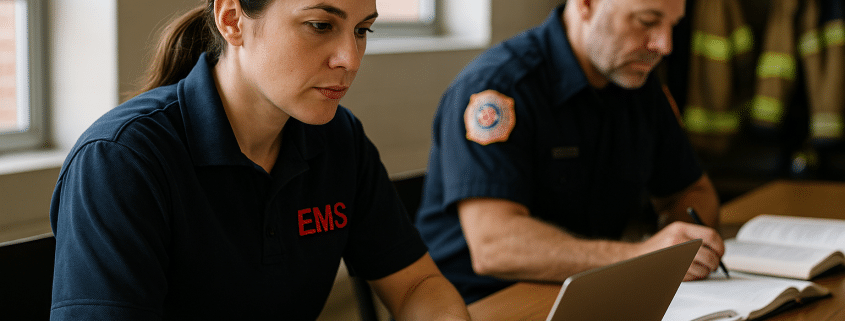
12-lead ECG interpretation is one of the most critical diagnostic skills in emergency medical services. Identifying STEMI, recognizing arrhythmias, and detecting subtle cardiac abnormalities can directly impact patient outcomes. However, mastering ECG interpretation requires more than initial training. It demands repetition, exposure, and continuous learning.

For many EMS providers, maintaining and improving ECG skills can be challenging due to busy schedules and limited access to consistent training. Flexible online education has changed that, allowing providers to strengthen their interpretation skills without disrupting their shifts.

Why 12-Lead ECG Skills Are Perishable

ECG interpretation is not a skill that stays sharp without practice. Providers may go days or weeks without encountering complex cardiac cases, which can lead to decreased confidence when those cases do appear.

According to research from the National Library of Medicine, diagnostic interpretation skills decline when they are not reinforced regularly, especially in high-stakes clinical environments.

This makes ongoing education essential for maintaining accuracy and speed in ECG interpretation.

The Complexity of ECG Interpretation

Reading a 12-lead ECG involves more than identifying obvious abnormalities. Providers must analyze multiple components, including:

Rate and rhythm
Axis deviation
ST segment changes
T wave abnormalities
Conduction delays

Guidelines from the American Heart Association emphasize the importance of early recognition of cardiac events, particularly STEMI, where timely intervention can significantly improve survival rates.

Accurate interpretation requires both knowledge and consistent exposure to different ECG patterns.

How Flexible Online Training Improves Retention

Traditional classroom training often occurs at fixed times, which may not align with EMS schedules. As a result, providers may miss opportunities to reinforce critical skills.

Flexible online learning allows providers to review ECG concepts at their own pace and revisit material as needed. This repetition improves retention and builds confidence over time.

Programs available through EMS continuing education courses allow providers to access ECG training anytime, making it easier to stay consistent with learning.

The ability to learn on demand helps providers integrate training into their routine rather than treating it as a one-time requirement.

Repetition and Pattern Recognition

One of the most effective ways to improve ECG interpretation is through repeated exposure to different tracings. Over time, providers begin to recognize patterns more quickly and accurately.

Online training platforms often include multiple case examples, allowing providers to practice identifying abnormalities across a wide range of scenarios.

Specialized training available through EMS specialty courses helps reinforce pattern recognition and strengthens diagnostic confidence.

The more tracings a provider reviews, the more intuitive interpretation becomes.

Learning at Your Own Pace Improves Accuracy

Every provider learns at a different pace. Some may need more time to understand complex rhythms or subtle ECG changes.

Flexible online training allows providers to pause, review, and revisit difficult concepts without the pressure of a classroom environment. This leads to deeper understanding rather than surface-level memorization.

Training aligned with NREMT continuing education requirements ensures that providers are not only meeting certification standards but also strengthening practical clinical skills.

Applying ECG Skills in Real-World Scenarios

Improved ECG interpretation is not just about passing tests. It directly affects patient care in the field.

Recognizing STEMI early allows EMS providers to activate cardiac alerts and transport patients to appropriate facilities faster. Identifying arrhythmias accurately guides treatment decisions and improves patient outcomes.

Organizations such as the American College of Cardiology emphasize the importance of early detection and rapid response in cardiac emergencies.

Online training that includes real-world case scenarios helps bridge the gap between theory and practice.

Consistency Builds Long-Term Confidence

Confidence in ECG interpretation comes from consistent practice. Providers who regularly review ECGs are more comfortable making decisions under pressure.

Inconsistent training leads to hesitation, while continuous exposure strengthens both speed and accuracy.

Department-wide education programs available through EMS department training access allow agencies to ensure that all providers maintain strong ECG interpretation skills.

Consistency across teams improves overall patient care.

Conclusion

12-lead ECG interpretation is a critical skill that requires continuous reinforcement. Without regular practice, accuracy and confidence can decline, especially in high-pressure situations.

Flexible online training provides a practical solution by allowing EMS providers to learn at their own pace, revisit complex concepts, and practice pattern recognition regularly.

CE Solutions offers comprehensive ECG training through EMS-CE that helps providers strengthen diagnostic skills, improve clinical decision-making, and stay aligned with current guidelines. Through continuing education, specialty courses, and department-wide training access, EMS professionals can maintain sharp ECG interpretation skills throughout their careers.

EMS providers are trained to handle emergencies, manage chaos, and make critical decisions under pressure. They respond to life-threatening situations daily, often without hesitation. However, behind the professionalism and composure, there is a growing issue that is not discussed enough.

Burnout.

Burnout in EMS is not just about feeling tired after a long shift. It is a deeper form of physical, emotional, and mental exhaustion that can affect performance, decision-making, and overall well-being. Left unaddressed, it can impact both providers and the patients they serve.

What Burnout Looks Like in EMS:

Burnout does not always appear suddenly. It builds over time through repeated exposure to stress, long hours, and emotionally difficult calls.

Common signs of burnout include:

  • Chronic fatigue
  • Decreased motivation
  • Emotional detachment
  • Difficulty concentrating
  • Increased irritability

According to research from the National Library of Medicine, healthcare providers experiencing burnout may also show reduced cognitive performance and increased risk of errors.

In EMS, where decisions must be fast and accurate, this becomes a serious concern.

Why EMS Providers Are at High Risk

EMS environments are uniquely demanding. Providers often work long shifts, respond to unpredictable situations, and experience repeated exposure to trauma.

Unlike other healthcare settings, EMS providers rarely have time to fully process difficult calls before moving on to the next one.

The Centers for Disease Control and Prevention highlights that high-stress occupations with irregular schedules significantly increase the risk of burnout.

These conditions make EMS providers especially vulnerable.

How Burnout Affects Patient Care

Burnout does not only impact providers. It directly affects patient care.

When providers are mentally exhausted, they may experience:

Slower decision-making
Reduced attention to detail
Decreased situational awareness
Lower communication effectiveness

Even small lapses can have significant consequences in emergency situations.

Maintaining strong clinical performance requires both skill and mental clarity.

Emotional Detachment and Its Impact

One of the most concerning aspects of burnout is emotional detachment. Providers may begin to feel disconnected from patients, colleagues, or the work itself.

While this may develop as a coping mechanism, it can reduce empathy and affect patient interaction.

The American Psychological Association notes that prolonged exposure to stress without proper recovery can lead to emotional exhaustion and detachment.

Addressing burnout early helps prevent long-term effects.

The Role of Continuous Education in Reducing Burnout

While education alone cannot eliminate burnout, it plays an important role in improving confidence and reducing stress related to clinical uncertainty.

Providers who feel confident in their skills are less likely to experience hesitation or doubt during calls.

Ongoing training through EMS continuing education courses helps reinforce knowledge, improve decision-making, and reduce cognitive strain during high-pressure situations.

Confidence can ease part of the mental load that contributes to burnout.

Building Resilience Through Training

Structured training helps providers develop resilience by reinforcing both technical skills and decision-making processes.

Scenario-based learning allows providers to practice handling difficult situations in a controlled environment, reducing stress when similar situations occur in real life.

Advanced learning through EMS specialty courses allows providers to strengthen specific areas of care and improve overall performance.

Prepared providers are better equipped to handle stress.

The Importance of Team Support

Burnout is not just an individual issue. It is also influenced by team dynamics and organizational culture.

Departments that encourage communication, peer support, and shared responsibility create a more supportive environment for providers.

Department-wide training through EMS department training access helps standardize practices and improve coordination, reducing unnecessary stress during calls.

Strong teams can help reduce the feeling of isolation that often contributes to burnout.

Staying Current With Evolving Demands

EMS protocols, technologies, and expectations continue to evolve. Keeping up with these changes can feel overwhelming without proper support.

Organizations such as the National Highway Traffic Safety Administration EMS Office emphasize the importance of ongoing education in maintaining effective emergency response systems.

Staying current through structured learning helps providers feel more prepared and less overwhelmed by change.

Conclusion

Burnout is one of the most significant challenges facing EMS providers today, yet it is often overlooked. Long shifts, emotional stress, and constant exposure to critical situations create an environment where burnout can develop quietly over time.

Addressing burnout requires awareness, support, and consistent reinforcement of skills and knowledge.

CE Solutions offers structured training through EMS-CE that helps EMS providers strengthen clinical confidence, improve decision-making, and stay prepared for the demands of the field. Through continuing education, specialty courses, and department-wide training access, providers can maintain both professional performance and long-term resilience.

Exposure to infectious diseases is a risk in emergency medical services. EMS providers regularly encounter bloodborne pathogens, respiratory illnesses, and unknown health conditions while delivering care in unpredictable environments. While prevention is critical, what happens after an exposure is just as important.

This is where post-exposure management plans become essential. Without a clear and structured response, agencies risk delayed treatment, compliance issues, and increased health risks for their personnel.

What Is a Post-Exposure Management Plan

A post-exposure management plan outlines the steps an EMS agency must take after a provider is exposed to a potentially infectious substance. This includes immediate response, documentation, medical evaluation, and follow-up care.

Guidance from the Centers for Disease Control and Prevention emphasizes that timely and organized post-exposure procedures are critical for reducing the risk of infection.

A well-defined plan ensures that no step is missed during a high-stress situation.

Why Exposure Response Must Be Immediate

Time plays a critical role after an exposure. Delays in reporting or treatment can increase the risk of infection and complicate follow-up care.

A structured plan ensures that providers know exactly what to do, including:

Reporting the incident immediately
Initiating medical evaluation
Documenting the exposure accurately

The Occupational Safety and Health Administration requires employers to have clear procedures in place for managing workplace exposures.

Immediate response improves outcomes and supports compliance.

Reducing Risk Through Standardized Procedures

Without a standardized plan, exposure response can vary from one provider to another. This inconsistency increases the risk of errors and missed steps.

Post-exposure management plans create a consistent process that includes:

Clear reporting protocols
Defined medical follow-up procedures
Standardized documentation requirements

Resources from the National Institute for Occupational Safety and Health highlight the importance of consistent systems in reducing occupational health risks.

Standardization improves both safety and accountability.

The Role of a Designated Infection Control Officer

A Designated Infection Control Officer plays a key role in managing post-exposure incidents. This individual ensures that protocols are followed, documentation is completed, and providers receive appropriate care.

Training through Designated Infection Control Officer programs prepares individuals to handle these responsibilities effectively.

Having a trained DICO ensures that exposure incidents are managed professionally and consistently.

Supporting Compliance With Regulations

Post-exposure management is not only a safety issue. It is also a regulatory requirement. Agencies must comply with local, state, and federal standards related to workplace safety and infection control.

Ongoing education through EMS continuing education courses helps providers stay informed about reporting requirements and safety protocols.

Proper documentation and timely response demonstrate compliance and reduce the risk of penalties.

Protecting Provider Health and Well-Being

Exposure incidents can create anxiety and uncertainty for providers. Knowing that a clear plan is in place helps reduce stress and ensures that appropriate care is provided quickly.

A strong post-exposure plan supports:

Early medical intervention
Accurate risk assessment
Clear communication throughout the process

Organizations like the World Health Organization emphasize the importance of structured infection control systems in protecting healthcare workers.

Protecting providers is essential for maintaining a healthy and effective workforce.

Improving Documentation and Accountability

Accurate documentation is a key part of post-exposure management. Every incident must be recorded, evaluated, and followed up appropriately.

A structured plan ensures that:

Reports are completed consistently
Information is tracked over time
Compliance requirements are met

Department-wide systems such as EMS department training access allow agencies to standardize documentation practices and improve accountability across teams.

Clear records support both safety and compliance.

Strengthening Department-Wide Preparedness

Preparedness is one of the most important benefits of a post-exposure management plan. When providers know what to do, response becomes faster and more effective.

Training and reinforcement through EMS specialty courses help ensure that all personnel understand their role in exposure response.

Prepared teams are more confident and better equipped to handle unexpected situations.

Conclusion

Post-exposure management plans are essential for EMS agencies because they provide a clear, structured response to one of the most common risks in emergency services. Without these plans, agencies face increased health risks, inconsistent procedures, and potential compliance issues.

A well-designed plan ensures immediate response, accurate documentation, proper medical care, and alignment with regulatory requirements.

CE Solutions offers comprehensive training through Designated Infection Control Officer programs along with continuing education, specialty courses, and department-wide training solutions. These programs give EMS agencies the tools needed to implement effective post-exposure management systems, maintain compliance, and protect their teams.


The Texas EMS Jurisprudence Exam is a required step for EMS providers seeking certification or licensure in Texas. Unlike clinical exams, this test focuses on legal knowledge, regulations, and professional responsibilities. Many providers underestimate its importance, only to realize that understanding EMS law requires focused preparation.

With the right approach, passing the jurisprudence exam becomes much more manageable. On-demand learning offers a flexible and effective way to study, especially for busy EMS professionals balancing shifts and ongoing responsibilities.

What the Texas EMS Jurisprudence Exam Covers

The jurisprudence exam is designed to ensure EMS providers understand the legal framework that governs their practice. This includes:

Scope of practice
Patient consent and refusal
Documentation requirements
Confidentiality and HIPAA
Disciplinary actions and reporting

The Texas Department of State Health Services outlines these requirements and emphasizes that providers must demonstrate knowledge of state-specific EMS laws.

This exam is not about memorizing clinical protocols. It is about understanding responsibilities and legal boundaries.

Why Many Providers Struggle With the Exam

One of the main challenges with the jurisprudence exam is that it focuses on legal concepts rather than hands-on skills. Providers who are comfortable with patient care may find legal terminology less familiar.

Another challenge is time. Many EMS professionals try to prepare quickly without structured review, which can lead to missed details.

Research from the National Library of Medicine shows that retention improves when learning is spaced out and revisited over time rather than completed in a single session.

This is where on-demand learning becomes valuable.

Benefits of On-Demand Learning for Exam Preparation

On-demand learning allows providers to study at their own pace and revisit complex topics as needed. Instead of attending a single class, learners can break the material into manageable sections.

Programs available through EMS continuing education courses allow providers to access training anytime, making it easier to stay consistent.

This flexibility is especially important for EMS professionals who work irregular schedules.

Breaking Down Complex Legal Concepts

Legal topics can feel overwhelming when presented all at once. On-demand learning allows providers to focus on one concept at a time, such as patient consent or documentation requirements.

This approach improves understanding and reduces confusion.

Training aligned with NREMT continuing education requirements reinforces structured learning while allowing flexibility in how material is reviewed.

Breaking content into smaller sections makes it easier to retain information.

Repetition Improves Retention

One of the biggest advantages of on-demand learning is the ability to review material multiple times. Repetition helps reinforce key concepts and improves recall during the exam.

Providers can revisit topics they find difficult and focus more time on areas that need improvement.

Specialized learning through EMS specialty courses allows providers to strengthen understanding of specific areas related to EMS practice and regulations.

Consistent review builds confidence and reduces test anxiety.

Applying Knowledge to Real-World Scenarios

Understanding EMS law is not just about passing an exam. It directly affects how providers operate in the field.

Questions on the jurisprudence exam often reflect real-world scenarios involving patient rights, documentation, and ethical decision-making.

Organizations such as the American College of Emergency Physicians emphasize the importance of understanding legal responsibilities in patient care.

On-demand learning that includes scenario-based examples helps providers connect legal concepts to everyday practice.

Staying Organized and Tracking Progress

Preparing for an exam requires organization. On-demand platforms often track progress, allowing providers to see what material has been completed and what still needs review.

This helps prevent last-minute cramming and ensures all topics are covered before the exam.

Department-wide learning options available through EMS department training access can also support agencies in preparing multiple providers efficiently.

Tracking progress keeps preparation structured and consistent.

Conclusion

The Texas EMS Jurisprudence Exam is an important step in ensuring that providers understand the legal responsibilities of their profession. While the content may be different from clinical training, it is just as critical for safe and compliant practice.

On-demand learning simplifies the preparation process by offering flexibility, improving retention, and allowing providers to study at their own pace. By breaking down complex topics, reinforcing key concepts, and connecting knowledge to real-world scenarios, providers can approach the exam with greater confidence.

CE Solutions offers flexible learning through EMS-CE that helps EMS professionals prepare for certification requirements, strengthen legal understanding, and stay aligned with state regulations. With accessible courses, structured learning paths, and department-wide options, CE Solutions makes exam preparation more manageable.

In EMS, understanding the law is part of providing safe and professional care. Proper preparation ensures you are ready when it matters.

Hemorrhagic shock remains the leading cause of preventable death in trauma patients. For decades, the prehospital standard of care relied on crystalloid fluids to keep patients alive during transport. But over the last several years, the evidence has shifted dramatically, and a growing movement in EMS is rewriting how we manage life-threatening bleeding before the patient ever reaches the emergency department.

Prehospital blood transfusion (PHBT) programs are expanding across the country, backed by new clinical practice guidelines, position statements from NAEMSP, and a rapidly growing body of research. Whether you are working on a ground ambulance in a rural county or staffing a critical care transport unit in a major metro, this is a topic that will shape EMS practice for years to come.

Here is what the latest research says and why it matters for your clinical practice.

The Case Against Crystalloid-First Resuscitation

For years, the default approach to hemorrhagic shock in the field was aggressive crystalloid infusion. Normal saline and lactated Ringer’s were the go-to interventions. The logic was simple: restore circulating volume, maintain blood pressure, and get the patient to definitive care.

The problem? Crystalloids do not carry oxygen. They do not support hemostasis. And when administered in large volumes, they actually contribute to acidosis and coagulopathy, two conditions that worsen outcomes in bleeding patients. Research has consistently shown that trauma patients who receive large-volume crystalloid resuscitation have higher mortality compared to those who receive lower volumes or blood products early in the resuscitation process.

This understanding has driven a fundamental shift in how we think about prehospital hemorrhage management. Rather than simply replacing volume, the goal is now to replace what the patient is actually losing: blood.

What the Latest Evidence Shows

In 2025, NAEMSP published its Prehospital Trauma Compendium position statement on blood product transfusion in trauma. The recommendations were clear and represent a major milestone for the profession. For EMS systems that can support a high-quality transfusion program, NAEMSP now recommends using blood components over crystalloids as the first-line treatment for patients with traumatic life-threatening bleeding in the prehospital setting. The organization also recommends low titer group O whole blood (LTOWB) as the first-choice blood product in these situations.

The evidence supporting these recommendations comes from several landmark studies. The PAMPer trial (Prehospital Air Medical Plasma), a multicenter cluster-randomized trial, demonstrated a survival benefit for trauma patients who received plasma during air medical transport, particularly when transport times exceeded 20 minutes. A secondary analysis found that patients who received both red blood cells and plasma had the greatest survival advantage compared to those who received crystalloids alone.

Additionally, research on LTOWB has shown that it is associated with improved survival to hospital arrival, improved 6-hour survival, and a reduced need for additional blood transfusions after reaching the hospital. Importantly, the data suggest that a larger proportion of LTOWB relative to total blood transfused correlates with increased survival, especially in patients with an elevated probability of death.

On the safety front, research presented at the 2025 NAEMSP meeting found that adverse events from prehospital transfusion are rare in both whole blood and component therapy groups. No transfusion reactions were reported, and complications like DVT and pulmonary embolism occurred at very low rates.

The Adoption Gap

Despite this growing evidence base, adoption remains a significant challenge. According to data published in the Journal of Trauma and Acute Care Surgery, fewer than 1% of 911 ground EMS agencies in the United States have successfully implemented prehospital blood transfusion programs. This is striking when you consider that estimates suggest between 54,000 and 900,000 patients annually could benefit from receiving blood products before arriving at the hospital.

NHTSA has cited research estimating that 37% of trauma patients with severe bleeding could potentially be saved through prompt prehospital blood administration, and that each minute of delay in administering blood increases the risk of death by 11%.

So what is holding things back? The barriers are well documented. They include state-level scope of practice limitations for EMS clinicians, the cost of implementing and maintaining blood product programs, the lack of a centralized national database linking prehospital transfusions to hospital outcomes, and the need for closer collaboration between EMS agencies, blood suppliers, and hospital transfusion services.

Beyond Trauma: Expanding Indications

One of the more exciting developments in prehospital transfusion research is the expansion beyond traditional trauma resuscitation. Early evidence suggests that blood product administration may also improve outcomes in conditions like postpartum hemorrhage and gastrointestinal bleeding, where early volume and clotting factor replacement can be equally critical.

Data from a large metropolitan EMS system showed that over an 18-month period, medical conditions accounted for more than 12% of prehospital whole blood transfusions, demonstrating that the real-world application of these programs already extends well beyond the trauma patient.

What This Means for Your CE

Prehospital blood transfusion touches on pathophysiology, pharmacology, and patient assessment, three pillars of EMS continuing education. Understanding hemorrhagic shock at a deeper level, recognizing the limitations of crystalloid resuscitation, and staying current on evolving transfusion protocols are all essential for providing the best possible patient care.

Even if your agency does not currently carry blood products, the principles behind this research are directly applicable to your daily practice. Recognizing the signs of hemorrhagic shock early. Limiting crystalloid volumes in bleeding patients. Understanding when and how to advocate for rapid transport to a trauma center. These are clinical decisions you make on every shift.

At CE Solutions, we are committed to bringing you research-driven continuing education that keeps you at the forefront of prehospital medicine. Our CAPCE-accredited courses are designed by EMS professionals who understand the realities of field practice, and we update our content regularly to reflect the latest evidence and guidelines.

Explore our full catalog of EMS continuing education courses and take the next step in your professional development. With over 200,000 members and more than 25 years of experience in EMS education, CE Solutions is the platform built for providers who take their practice seriously.

This article is intended for educational purposes and does not constitute medical advice. Always follow your local protocols and medical direction.

In emergency medical services, speed is often celebrated. Responding quickly, initiating care rapidly, and transporting patients efficiently are all critical elements of prehospital medicine. Yet one of the most important steps in every EMS call happens before patient contact even begins.

Scene size up.

Scene size up is the foundation of provider safety. It allows EMS professionals to assess potential hazards, determine what resources are needed, and ensure the environment is safe enough to begin patient care. Skipping or rushing this step can expose providers to unnecessary risks.

In many cases, the difference between a safe call and a dangerous one begins with how carefully the scene is evaluated.

What Scene Size Up Actually Involves

Scene size up is the initial assessment performed upon arrival at an emergency location. Its purpose is to identify hazards, determine the mechanism of injury or nature of illness, and evaluate whether the scene is secure for responders.

This evaluation typically includes:

Observing environmental hazards
Identifying potential threats to responders
Determining the number of patients involved
Assessing the need for additional resources
Evaluating access and exit routes

Guidelines discussed by the National Highway Traffic Safety Administration EMS Office emphasize that responder safety must always take priority over immediate patient contact.

If the scene is unsafe, EMS providers cannot deliver effective care.

Why Provider Injuries Occur in the Field

EMS professionals operate in unpredictable environments. Car accidents, hazardous materials incidents, violent situations, and unstable structures all present risks that may not be immediately obvious.

Provider injuries often occur when responders move directly toward a patient without fully evaluating the surroundings. For example, a traffic collision scene may involve leaking fuel, broken glass, or moving vehicles. A medical call inside a home could involve aggressive pets, weapons, or unstable flooring.

Recognizing these risks during scene size up allows responders to avoid preventable injuries.

The Importance of Situational Awareness

Situational awareness is a key component of effective scene size up. Providers must remain alert to both obvious and subtle warning signs.

Important questions to consider include:

Is the scene safe to enter?
Are there environmental hazards present?
Is law enforcement needed before entry?
Could the situation escalate quickly?

Organizations such as the National Association of EMS Physicians emphasize that provider safety should remain a constant priority throughout patient care operations.

Situational awareness helps EMS crews anticipate problems before they become emergencies.

Traffic Scenes and Roadway Risks

Motor vehicle collisions are among the most dangerous environments for EMS responders. Passing traffic, poor visibility, and distracted drivers can create life threatening hazards.

According to safety guidance from the Federal Highway Administration, emergency responders face increased injury risk at roadside incidents due to secondary crashes.

Scene size up allows EMS personnel to determine proper vehicle positioning, establish safe zones, and coordinate with fire or law enforcement to control traffic.

Taking a moment to evaluate the scene can prevent catastrophic accidents involving responders.

Violent or Unstable Situations

EMS calls sometimes involve domestic disputes, intoxicated individuals, or emotionally charged environments. Entering these scenes without proper awareness can place providers in danger.

Scene size up allows crews to determine whether law enforcement presence is necessary before approaching the patient. Waiting for police assistance may feel frustrating when a patient needs care, but responder safety must remain the priority.

A provider injured on scene cannot treat anyone.

Hazardous Materials and Environmental Dangers

Chemical spills, carbon monoxide exposure, fires, and structural collapse are additional hazards that EMS crews may encounter. Many of these dangers are not immediately visible.

Scene size up allows providers to look for warning signs such as unusual odors, visible fumes, or patient symptoms that suggest toxic exposure.

The Centers for Disease Control and Prevention outlines environmental health hazards that emergency responders must recognize to prevent secondary exposure.

Awareness during initial assessment protects both providers and patients.

Scene Size Up and Resource Management

Scene size up also helps determine whether additional resources are required. Some incidents require fire department assistance, hazardous materials teams, or multiple EMS units.

Recognizing the need for additional help early improves both patient outcomes and responder safety.

Continuing education helps EMS providers strengthen these assessment skills and remain familiar with evolving safety practices. Training options available through the EMS continuing education courses help reinforce scene evaluation, patient assessment, and operational awareness.

Training Improves Safety Decision Making

Scene size up skills improve through repetition and training. Simulation exercises, case reviews, and scenario-based education strengthen the ability to identify hazards quickly.

Educational programs also reinforce communication techniques between crew members and incident commanders. Clear communication during scene assessment ensures that all responders understand potential risks before patient contact begins.

Additional specialized learning opportunities related to EMS safety and operational decision making are available through the specialty EMS courses offered by CE Solutions.

These courses reinforce critical thinking skills that protect providers during real-world emergencies.

Agency Education Strengthens Safety Culture

EMS agencies benefit when every provider approaches scene size up with the same mindset. Consistent education ensures that crews evaluate scenes carefully rather than rushing directly to the patient.

Department-wide training initiatives allow organizations to reinforce safety standards across all teams. Structured education access available through department EMS training programs helps agencies maintain consistent safety practices and operational readiness.

When safety awareness becomes part of agency culture, provider injuries decrease.

Conclusion: Safety Begins Before Patient Contact

Scene size up is more than a procedural step in the EMS response process. It is a critical safety measure that protects responders from preventable harm.

Taking a few moments to evaluate hazards, assess risks, and request additional resources when needed can make the difference between a safe call and a dangerous one. EMS professionals must remember that patient care begins with provider safety.

CE Solutions delivers continuing education that reinforces operational awareness, clinical decision making, and responder safety for EMS professionals. Through comprehensive EMS course libraries, NREMT-aligned learning options, specialty training, and department-level education access, CE Solutions helps EMS providers strengthen the skills that keep both patients and responders safe.

Airway management sits at the core of emergency medical care. Few interventions in prehospital medicine carry the same immediate impact on patient survival. Whether managing a trauma patient, cardiac arrest, respiratory failure, or an obstructed airway, EMS providers must act quickly and confidently.

Yet airway management is also one of the most perishable skills in emergency medicine. When providers do not practice regularly, proficiency declines. Even experienced clinicians can struggle with airway decisions if the skill is not reinforced consistently through training and repetition.

Understanding why airway management deteriorates over time highlights the importance of continuous education and structured practice.

Why Airway Skills Deteriorate Over Time

Airway procedures are complex. They require coordination of technical skill, clinical judgment, and rapid assessment under pressure. Unlike routine patient assessments, advanced airway procedures may not occur frequently in everyday EMS calls.

Research referenced by the National Library of Medicine shows that procedural skills degrade when they are not practiced regularly. Skills like endotracheal intubation, supraglottic airway placement, and ventilation management require repetition to maintain muscle memory and clinical confidence.

In high-stress environments such as prehospital care, hesitation or uncertainty during airway management can significantly affect patient outcomes.

Maintaining proficiency requires more than initial certification. It requires continuous reinforcement.

Airway Management Requires Both Knowledge and Technique

Successful airway management is not simply about placing a tube. Providers must evaluate airway anatomy, recognize respiratory compromise, choose the correct device, and anticipate complications.

Key elements of airway management include:

Airway assessment and recognition of obstruction
Effective bag-valve-mask ventilation
Supraglottic airway device placement
Endotracheal intubation technique
Oxygenation and ventilation monitoring

Guidelines from the American Heart Association emphasize that airway management must be approached systematically, balancing oxygenation and ventilation with patient condition and available resources.

Without ongoing practice, even experienced providers may struggle with these steps in fast-moving emergency situations.

The Impact of Skill Decay in EMS

Skill decay occurs when knowledge and physical techniques fade due to lack of repetition. Airway management is particularly vulnerable because advanced procedures may only occur occasionally in the field.

A paramedic who intubates frequently in one system may perform the skill confidently. Another provider who performs the procedure rarely may experience hesitation during critical calls.

This variability can lead to inconsistent outcomes.

Continuing education programs designed specifically for EMS providers allow clinicians to review airway techniques and reinforce best practices regularly. Comprehensive learning options available through the EMS continuing education courses help providers maintain clinical readiness throughout their certification cycle.

Simulation and Practice Improve Retention

Simulation training has become one of the most effective methods for maintaining airway proficiency. Practicing airway scenarios in controlled environments allows providers to strengthen technique without patient risk.

Simulation exercises can include:

Difficult airway scenarios
Trauma airway management
Cardiac arrest airway decision-making
Pediatric airway emergencies

Studies published through the National Institutes of Health indicate that simulation-based training significantly improves procedural retention and clinical confidence.

Regular exposure to airway scenarios ensures providers remain prepared when real emergencies occur.

Airway Management in the Era of Evidence-Based Medicine

Modern EMS protocols continue to evolve as new research emerges. Many systems now emphasize high-quality ventilation, early recognition of airway compromise, and appropriate use of supraglottic airway devices.

Organizations such as the National Association of EMS Physicians publish ongoing research and guidelines that shape airway management practices in the field.

Staying current with these updates requires continuous professional development. EMS providers who regularly review evolving evidence maintain stronger decision-making ability during patient care.

Educational programs that address current airway guidelines and clinical updates can be found through specialized EMS training platforms like the specialty EMS courses offered through CE Solutions.

Continuing Education Strengthens Clinical Confidence

Confidence in airway management comes from repetition and familiarity. Providers who regularly revisit airway concepts through continuing education feel more prepared during emergencies.

Continuing education reinforces:

Updated airway protocols
Device selection strategies
Ventilation techniques
Recognition of airway complications

Courses designed around National Registry standards also support certification maintenance. Providers maintaining credentials through NREMT-aligned continuing education strengthen both compliance and practical clinical ability.

This ongoing learning process ensures airway management remains a reliable skill rather than a fading memory.

Department-Level Training Supports Skill Consistency

EMS agencies also benefit from consistent airway training across crews. When providers receive standardized education, communication improves during complex calls and patient care becomes more coordinated.

Department-wide learning programs allow agencies to align airway training with protocol updates and quality improvement initiatives. Structured training access available through department EMS education plans helps agencies maintain skill consistency across their teams.

Consistent education builds stronger clinical systems.

Conclusion: Practice Protects Patients

Airway management is one of the most critical interventions in emergency medicine. Yet it is also one of the most vulnerable to skill decay when practice stops.

EMS providers must continually revisit airway techniques, reinforce clinical decision-making, and stay aligned with evolving guidelines. Ongoing education ensures that when airway emergencies occur, providers respond with confidence rather than hesitation.

CE Solutions supports EMS professionals committed to maintaining airway proficiency through structured continuing education and specialty training opportunities. With comprehensive learning pathways, NREMT-aligned coursework, and accessible online EMS continuing education, CE Solutions helps providers keep essential skills sharp throughout their careers.

Airway management is too important to leave to memory alone. Continuous training ensures the skill remains ready when it matters most.


Prehospital Fluid Management in Traumatic Brain Injury: Balancing Perfusion and Intracranial Pressure

For EMS providers, managing traumatic brain injury (TBI) in the field presents a unique challenge: maintaining adequate cerebral perfusion while avoiding interventions that could worsen intracranial pressure (ICP). The delicate balance between these competing priorities has evolved significantly in recent years, with new evidence reshaping our approach to prehospital fluid resuscitation.

The Critical Importance of Avoiding Hypotension

Hypotension remains one of the most devastating secondary insults in TBI. The 2023 Brain Trauma Foundation Prehospital Guidelines emphasize that even a single episode of hypotension significantly worsens outcomes, with mortality rates exceeding 50% in patients experiencing prolonged hypotension. Recent evidence challenges the traditional threshold of 90 mmHg systolic blood pressure. Studies now suggest that each 10-point increase in systolic blood pressure is associated with an 18.8% decrease in mortality risk, with no clear inflection point identified.

This dose-response relationship means that EMS providers should focus on avoiding the “threshold region” rather than waiting to treat established hypotension. Current recommendations suggest maintaining systolic blood pressure above 110 mmHg in TBI patients, particularly following airway management.

Isotonic Crystalloids: The Foundation of Prehospital Resuscitation

Isotonic crystalloid solutions remain the first-line resuscitation fluid for hypotensive TBI patients in the prehospital setting. Normal saline (0.9% NaCl) and lactated Ringer’s solution are both acceptable choices, with the primary goal being rapid restoration of intravascular volume and cardiac output to maintain cerebral perfusion.

The typical approach involves bolus infusion of 1–2 liters of crystalloid in adults, with careful attention to blood pressure response. In pediatric patients, fluid resuscitation should be guided by clinical signs of decreased perfusion, even when blood pressure readings appear adequate.

The Hypertonic Saline Question

Hypertonic saline has generated considerable interest as a potential dual-purpose agent: it can restore intravascular volume while theoretically reducing ICP through osmotic effects. Early studies suggested survival advantages, and the logistical benefits of smaller volumes and lighter weight make it attractive for field use.

However, the evidence has become less compelling over time. The 2023 Brain Trauma Foundation guidelines note that while early, lower-quality studies reported benefits, larger and methodologically superior trials have failed to replicate these findings. A 2021 randomized trial (COBI) examining continuous hypertonic saline infusion in the ICU setting did not demonstrate improved 6-month neurological outcomes compared to standard care.

For prehospital use specifically, current evidence does not support routine prophylactic administration of hypertonic saline for ICP reduction. That said, hypertonic saline is considered safe and may be used as an alternative resuscitation fluid when hypotension is present, particularly in systems where logistical considerations favor its use.

What About Mannitol in the Field?

Despite mannitol’s established role in hospital-based ICP management, its use in the prehospital setting has not been shown to improve outcomes. The diuretic effect of mannitol is particularly problematic in hypotensive patients, potentially worsening intravascular volume depletion. Current guidelines do not recommend prehospital mannitol administration.

Fluid Overload: A Real Concern

While avoiding hypotension is critical, fluid overload presents its own risks. Excessive fluid administration can lead to pulmonary edema, systemic complications, and potentially increased brain edema with elevated ICP. The CENTER-TBI study demonstrated that fluid balance matters, as both restriction and overload can worsen outcomes.

The key is targeted resuscitation: give enough fluid to maintain adequate blood pressure and cerebral perfusion, but avoid unnecessary volume administration in normotensive patients. In TBI patients without evidence of significant blood loss and with normal vital signs, there is no evidence that fluid resuscitation is necessary.

Practical Recommendations for EMS Providers

Monitor blood pressure frequently and aggressively treat hypotension. Don’t wait for systolic pressure to drop below 90 mmHg.

Use isotonic crystalloids (normal saline or lactated Ringer’s) as your first-line resuscitation fluid for hypotensive TBI patients.

Avoid permissive hypotension strategies in TBI patients, even if they have concurrent penetrating torso trauma. The brain requires adequate perfusion.

Titrate fluids to effect. Give boluses to restore blood pressure, but avoid excessive volume in normotensive patients.

Hypertonic saline may be used as an alternative resuscitation fluid in hypotensive TBI patients, but should not be given prophylactically for ICP reduction.

Do not administer mannitol in the prehospital setting.

The Bottom Line

Prehospital fluid management in TBI is fundamentally about preventing secondary brain injury through maintenance of adequate cerebral perfusion. While the theoretical appeal of reducing ICP with hyperosmolar agents is understandable, the evidence supports a simpler approach: use isotonic crystalloids to promptly correct hypotension, maintain higher blood pressure targets than traditionally taught, and avoid both under-resuscitation and fluid overload.

As our understanding continues to evolve, the emphasis has shifted from specific fluid types to the broader goal of maintaining optimal cerebral perfusion pressure throughout the prehospital phase of care.

References:

  1. Prehospital Guidelines for the Management of Traumatic Brain Injury – 3rd Edition. Prehospital Emergency Care. 2023. Lulla A, Lumba-Brown A, Totten AM, et al.
  2. Effect of Continuous Infusion of Hypertonic Saline vs Standard Care on 6-Month Neurological Outcomes in Patients With Traumatic Brain Injury: The COBI Randomized Clinical Trial. The Journal of the American Medical Association. 2021. Roquilly A, Moyer JD, Huet O, et al.
  3. Guidelines for Field Management of Combat-Related Head Trauma. Brain Trauma Foundation (2005). 2005. Tom Knuth, Peter B. Letarte, Geoffrey Ling, et al.
  4. Guidelines for the Management of Severe TBI, 4th Edition. Brain Trauma Foundation (2016). 2016. Nancy Carney, Annette M. Totten, Cindy O’Reilly, et al.
  5. Fluid Balance and Outcome in Critically Ill Patients With Traumatic Brain Injury (CENTER-TBI and OzENTER-TBI): A Prospective, Multicentre, Comparative Effectiveness Study. The Lancet. Neurology. 2021. Wiegers EJA, Lingsma HF, Huijben JA, et al.

In emergency services, fatigue is often worn like a badge of honor. Long shifts, missed meals, interrupted sleep, and the constant pressure to perform under stress are accepted as part of the job. EMS providers and firefighters pride themselves on pushing through exhaustion to answer the next call. But the reality is simple: fatigue is not a sign of toughness. It is a safety hazard.

Fatigue in the fire service and EMS is both physiological and cognitive. It occurs when sleep deprivation, long work hours, circadian rhythm disruption, and operational stress combine to impair a responder’s ability to think clearly, react quickly, and make sound decisions. In professions where seconds matter and mistakes can be fatal, fatigue becomes a silent threat.

The Operational Reality of Fatigue

Many EMS and fire personnel work 24-hour shifts, 48/96 schedules, or extended deployments during disasters. While these schedules are designed to maintain staffing coverage, they often come at the expense of adequate rest.

Night calls fragment sleep cycles. A crew might run multiple calls between midnight and 4 a.m., the time when the human body is biologically programmed for its deepest sleep. Even when responders return to the station, adrenaline and mental processing from the call can make it difficult to fall back asleep.

Research consistently shows that sleep deprivation affects performance similarly to alcohol impairment. Being awake for approximately 18 hours can produce cognitive impairment comparable to a blood alcohol level of 0.05%, and after 24 hours awake, impairment can approach 0.10%, which exceeds the legal driving limit in most states.

Yet responders are still expected to operate ambulances, pump apparatus, and perform high-risk interventions under these conditions.

Fatigue and Patient Safety

Fatigue directly impacts clinical performance in EMS. Providers experiencing sleep deprivation may demonstrate:

  • Slower reaction times
  • Reduced situational awareness
  • Impaired decision-making
  • Increased medication errors
  • Decreased procedural accuracy

In high-acuity environments such as cardiac arrest management, airway interventions, or trauma care, even small cognitive delays can influence patient outcomes.

Fireground operations are equally vulnerable. Exhaustion can affect risk perception, communication clarity, and tactical judgment. A fatigued firefighter may miss critical cues, misunderstand radio traffic, or make unsafe entry decisions.

The Cultural Barrier

One of the biggest challenges in addressing fatigue is cultural. Emergency services have long valued resilience and endurance. Many responders are reluctant to admit they are tired because fatigue is sometimes viewed as weakness or lack of dedication.

This mindset creates an environment where personnel push past safe limits rather than acknowledging a physiological reality.

Fatigue management should not be seen as an individual failing. It is an organizational risk management issue.

Fatigue Management Strategies

Addressing fatigue requires both personal responsibility and systemic change. Agencies can begin by implementing evidence-based fatigue mitigation strategies:

1. Fatigue Awareness Training Educating responders about the effects of sleep deprivation helps normalize discussions about fatigue and promotes self-monitoring.

2. Shift Scheduling Considerations Departments should evaluate shift lengths, overtime policies, and call volume data to identify schedules that contribute to chronic sleep deprivation.

3. Controlled Napping Policies Short naps (20 to 30 minutes) during low call volume periods have been shown to improve alertness and cognitive performance.

4. Rehabilitation and Recovery on Scenes On extended incidents, structured rehab sectors ensure firefighters receive hydration, rest, and medical monitoring.

5. Safe Transport Policies Fatigue-related driving risk is a significant concern in EMS. Agencies should emphasize crew rotation and rest during extended operations.

Personal Fatigue Mitigation

Individual responders also play a critical role in managing fatigue:

  • Prioritize sleep hygiene on days off
  • Limit excessive overtime when possible
  • Maintain physical fitness and hydration
  • Recognize personal warning signs such as slowed thinking, irritability, or difficulty concentrating

Fatigue will never be completely eliminated in emergency services. However, acknowledging it allows responders to manage it instead of ignoring it.

A Safety Issue, Not a Personal One

Fatigue is not about toughness or dedication. It is about human physiology.

EMS providers and firefighters operate in environments where decisions must be made rapidly, accurately, and under extreme pressure. Ensuring those decisions are made by well-rested, cognitively sharp professionals is not a luxury. It is a necessity for both responder safety and patient care.

If the emergency services community wants to improve safety outcomes, fatigue cannot remain an unspoken issue. It must become part of the conversation, part of training, and part of operational planning.

Because when fatigue goes unmanaged, the cost is often paid by the very people emergency responders are sworn to protect, and sometimes by the responders themselves.

References

Barger, L. K., Lockley, S. W., Rajaratnam, S. M., & Landrigan, C. P. (2009). Neurobehavioral, health, and safety consequences associated with shift work in emergency medical services personnel. Prehospital Emergency Care, 13(1), 1–11. https://doi.org/10.1080/10903120802472029

Federal Emergency Management Agency. (2014). Emergency responder fatigue risk management guidelines. U.S. Fire Administration. https://www.usfa.fema.gov

International Association of Fire Chiefs. (2018). Fatigue management in the fire service. https://www.iafc.org

National Association of EMS Physicians. (2019). Fatigue in emergency medical services systems. Prehospital Emergency Care, 23(5), 1–14. https://doi.org/10.1080/10903127.2019.1603130

National Fire Protection Association. (2024). NFPA 1584: Standard on the rehabilitation process for members during emergency operations and training exercises. National Fire Protection Association. https://www.nfpa.org

Patterson, P. D., Weaver, M. D., Frank, R. C., et al. (2012). Association between poor sleep, fatigue, and safety outcomes in emergency medical services providers. Prehospital Emergency Care, 16(1), 86–97. https://doi.org/10.3109/10903127.2011.616261

Rajaratnam, S. M., Barger, L. K., Lockley, S. W., et al. (2011). Sleep disorders, health, and safety in police officers. JAMA, 306(23), 2567–2578. https://doi.org/10.1001/jama.2011.1851

U.S. Fire Administration. (2010). Emergency incident rehabilitation. FA-314. https://www.usfa.fema.gov

Published March 2, 2026 | 9 min read


For most of EMS history, pain management in the field has been the domain of opioids. Morphine. Fentanyl. Start a line, push the drug, document the response, move on. The system worked until it didn’t. Between opioid diversion, respiratory depression in already-compromised trauma patients, and a growing opioid epidemic that EMS helped fuel one morphine push at a time, the field has been quietly searching for a better answer.

That answer has been sitting in paramedic drug bags for years. And the research to back it up has finally arrived.

Ketamine, the dissociative anesthetic that has been used in operating rooms, on battlefields, and in emergency departments for decades, is now at the center of a wave of prehospital research that is challenging everything we thought we knew about how paramedics should manage acute pain in trauma. The question is no longer whether ketamine works in the field. The question is why it isn’t being used more.

What the Latest Research Actually Says

The most significant piece of evidence to land in recent years is the PACKMaN trial, or Paramedic Analgesia Comparing Ketamine and Morphine in Trauma, a randomized, double-blind, Phase 3 clinical trial published in The Lancet Regional Health: Europe in April 2025.

This is not another observational study. This is the first fully blinded, randomized trial comparing prehospital ketamine to morphine administered by paramedics for severe traumatic pain. Participants had to report a pain score of 7 or higher on a 0-10 numeric rating scale and, in the attending paramedic’s clinical judgment, would normally require parenteral morphine. Patients receiving ketamine were managed with routine monitoring: no end-tidal CO2, no two-clinician airway requirement, and the same basic setup most ALS units run every day.

The findings confirmed what observational data had been suggesting for years: ketamine is not inferior to morphine for prehospital trauma analgesia, and it demonstrated a favorable side-effect profile in a real-world paramedic-led environment. Importantly, patients did not experience an increased rate of adverse events despite operating under a lower monitoring standard than previous physician-led studies had used.

The Lancet research team’s own literature review, conducted through January 2025, identified 6 randomized trials, 22 observational studies, and 4 systematic reviews on ketamine versus other agents in the emergency setting. Across those 22 observational studies, the conclusion was that ketamine performs as well as or better than morphine, while the 4 systematic reviews found ketamine to be at least as effective with fewer concerning side effects.

That’s a robust body of evidence. And it keeps growing.

Why Morphine Has Always Been a Compromise

To understand why ketamine matters, you have to understand why morphine has always been a flawed default.

Morphine lowers blood pressure. In a trauma patient who may be bleeding, even occultly, that’s not a neutral pharmacological event. It depresses respiration. In a patient with chest trauma, rib fractures, or a compromised airway, that’s a problem you’re adding to the call, not solving. And it carries a real risk of dependency. You’re delivering an opioid to a patient who may be predisposed, who is in acute distress, and who will likely receive more opioids in the ED and during any surgical intervention. You’re contributing to a pipeline, and EMS has known this for years.

JEMS has covered prehospital pain management extensively, noting that while opioids remain the most commonly administered strong analgesics by paramedics, their side-effect profile and the scope of the opioid epidemic have created genuine pressure to find alternatives. Ketamine, one JEMS overview noted, is a drug with over 60 years of clinical history, synthesized in 1962, that has been used across veterinary medicine, operating rooms, battlefield hospitals, and emergency departments, and that brings a remarkably broad therapeutic window to the table.

The pharmacology is the key. At sub-dissociative doses, roughly 0.1 to 0.5 mg/kg IV, ketamine blocks NMDA receptors to blunt pain perception without producing full dissociation. It maintains airway reflexes. It doesn’t drop blood pressure; its sympathomimetic properties tend to support it. It works fast. And because it doesn’t hit the same receptor pathways as opioids, it sidesteps the respiratory depression concern that makes every morphine push in a compromised patient a calculated risk.

The Route Question: IV, IM, IN, or Nebulized?

One of the most practical shifts in prehospital ketamine use is the expanding discussion around non-IV routes, a development with major implications for field care.

A 2025 retrospective study out of Harris County EMS in Texas, published in the American Journal of Emergency Medicine, compared fentanyl against ketamine delivered via breath-actuated nebulizer (BAN) across 1,480 patients. In the overall population, there was no statistically significant difference in pain reduction between the two drugs. But in the subgroup of patients with traumatic pain specifically, ketamine via BAN produced significantly greater analgesia than fentanyl, and it required no IV access to deliver.

That last detail matters more than it might seem. IV access in the prehospital environment is not always fast, clean, or simple. A patient with blast injuries, burns, or severe trauma may have no viable peripheral vein. A pediatric patient in pain may require IO access just to get a line. The ability to deliver meaningful analgesia through a nebulizer, with no needle, no line, and no delay, changes the calculus of pain management on a complex scene.

Intranasal ketamine has also been studied in the prehospital context, with the PAIN-K trial (Andolfatto et al., 2019) demonstrating effectiveness via the IN route in adults. And intramuscular ketamine remains widely used, particularly for agitation management, with a faster onset than IV in some presentations due to the ability to deliver a larger bolus quickly.

JEMS has covered the expanding use of these non-IV routes as part of a broader push toward more flexible, patient-centered prehospital analgesia, one that doesn’t make pain relief contingent on IV access.

The Side Effect Conversation: What Paramedics Actually Need to Know

Every time ketamine comes up in protocol discussions, the same concerns surface: emergence phenomena, dysphoria, hallucinations, agitation on the back end. These are real, but they are also contextual, and the research increasingly puts them in perspective.

A 2025 systematic review published in the International Journal of Paramedicine (Barnes and Gander) looked specifically at side effects and adverse events from prehospital ketamine analgesia in trauma. The review found that at sub-dissociative analgesic doses, adverse events are documented but generally mild and self-limiting. The most common side effects, including dizziness, nausea, and dissociative symptoms, occurred at a frequency that was not dramatically different from the opioid comparators, and serious airway complications were rare in the analgesic dosing range.

The PACKMaN trial reinforced this in its real-world paramedic context: patients in the ketamine arm did not experience elevated adverse event rates, even without advanced airway monitoring in place.

There is also an emerging conversation about ketamine’s potential benefits that extend beyond the scene. Research cited in JEMS has noted that prehospital analgesia in trauma has a measurable effect on long-term PTSD outcomes, and that ketamine, in particular, may have an advantage over opioids in reducing post-traumatic stress in non-TBI trauma patients. A 2022 military medicine study found ketamine’s early administration was associated with improved PTSD prognosis in that population. The implications for civilian EMS, where trauma calls are common and long-term patient outcomes are rarely tracked, are worth sitting with.

The one area where caution remains warranted is ketamine for agitation, where the dosing is fundamentally different (dissociative, not analgesic doses), the population is different, and the intubation-rate data is more mixed. Analgesic ketamine and sedative ketamine are not the same clinical conversation. A 2024 study comparing ketamine versus midazolam for acute severe agitation in the prehospital setting, published in the International Journal of Paramedicine, found that while ketamine produced faster and deeper initial sedation, it was also associated with higher re-sedation rates in hospital, likely from re-emergence, and did not outperform midazolam at achieving the target RASS score of -1, 0, or 1. That nuance matters.

What’s Holding Adoption Back?

If the evidence is this strong, why isn’t ketamine on every ALS unit as a first-line analgesic right now?

There are a few honest answers.

Protocol inertia. Medical directors are cautious, and updating standing orders takes time, politics, and sometimes a legal review. Morphine and fentanyl are known quantities. Ketamine still carries a stigma in some systems, as the word “dissociative” makes some administrators nervous, even when the dosing in question is nowhere near dissociative territory.

Training gaps. Ketamine requires paramedics to understand dosing tiers. The analgesic dose (0.1-0.5 mg/kg IV) is meaningfully different from the sedative dose (1-2 mg/kg IV) and the induction dose (>2 mg/kg IV). Getting that dose range wrong in either direction changes the clinical picture significantly. That requires training, and training costs time and money.

Monitoring concerns. Some state protocols and medical directors have historically required EtCO2 monitoring and dual-clinician airway capability for ketamine administration, a standard the PACKMaN trial has now directly challenged by demonstrating safety without those requirements at analgesic doses.

Documentation culture. In some EMS systems, controlled substances require such onerous documentation that providers default to simpler agents. Reducing administrative barriers is as important as updating the drug protocol.

The Practical Takeaway for Paramedics and Medical Directors

If you are a paramedic working in a system that still defaults to morphine or fentanyl as the first-line analgesic for severe traumatic pain, here is what the current evidence supports:

Ketamine at sub-dissociative doses (0.1-0.5 mg/kg IV) is a clinically appropriate, evidence-backed alternative to opioids for prehospital trauma analgesia. It does not require a higher level of airway monitoring than standard ALS care at analgesic doses. Its side-effect profile is comparable to opioids and arguably more favorable in hemodynamically sensitive patients.

For patients without IV access, nebulized ketamine via BAN has demonstrated effectiveness in traumatic pain specifically and represents a practical option that should be in more protocol discussions.

The conversation about ketamine is no longer whether it belongs in EMS. It already does, in systems that have made the evidence-based move. The conversation now is about making that access consistent and protocol-driven across the country, so that the patient with a traumatic femur fracture in rural Oklahoma gets the same quality of prehospital analgesia as the patient in a Houston metro system.

Pain is a vital sign. It deserves a first-line treatment with a 60-year safety record, a growing body of Phase 3 trial evidence, and a pharmacological profile that doesn’t add respiratory compromise to an already injured patient.

That drug is sitting in your drug bag. The research says it’s time to use it more.

Sources & Further Reading

  • Smyth MA, Noordali H, Starr K, et al. “Paramedic Analgesia Comparing Ketamine and Morphine in Trauma (PACKMaN): A Randomised, Double-Blind, Phase 3 Trial.” The Lancet Regional Health: Europe. Published April 5, 2025. DOI: 10.1016/j.lanepe.2025.101265. https://www.thelancet.com/journals/lanepe/article/PIIS2666-7762(25)00057-2/fulltext
  • McArthur R, Cash RE, Anderson J, et al. “Fentanyl versus Nebulized Ketamine for Prehospital Analgesia: A Retrospective Data Review.” American Journal of Emergency Medicine. 2025 Mar;89:124-128. DOI: 10.1016/j.ajem.2024.12.033.
  • Barnes L, Gander B. “Side Effects and Adverse Events in Prehospital Ketamine Analgesia for Trauma: A Systematic Review.” International Journal of Paramedicine. No. 12 (Oct-Dec 2025): 141-155. DOI: 10.56068/YVZO4619.
  • Johndro C, Caffyn S, Chen J, et al. “Prehospital Use of Ketamine Versus Midazolam for Sedation in Acute Severe Agitation.” International Journal of Paramedicine. No. 7 (Jul-Sep 2024): 23-30. DOI: 10.56068/RHLT6550.
  • JEMS. “Ketamine Considerations for Prehospital Use.” October 2024. https://www.jems.com/patient-care/ketamine-considerations-for-prehospital-use/
  • JEMS. “Prehospital Pain Management.” https://www.jems.com/ems-management/prehospital-pain-management/
  • JEMS / International Prehospital Medicine Institute. “Literature Review, October 2024.” https://www.jems.com/patient-care/international-prehospital-medicine-institute-literature-review-october-2024/
  • Morgan MM, Perina DG, Acquisto NM, et al. “Ketamine Use in Prehospital and Hospital Treatment of the Acute Trauma Patient: A Joint Position Statement.” Prehospital Emergency Care. 2021;25(4):588-592. DOI: 10.1080/10903127.2020.1801920.

This post is for EMS continuing education and clinical discussion purposes. Always follow your agency’s protocols and the guidance of your medical director.